
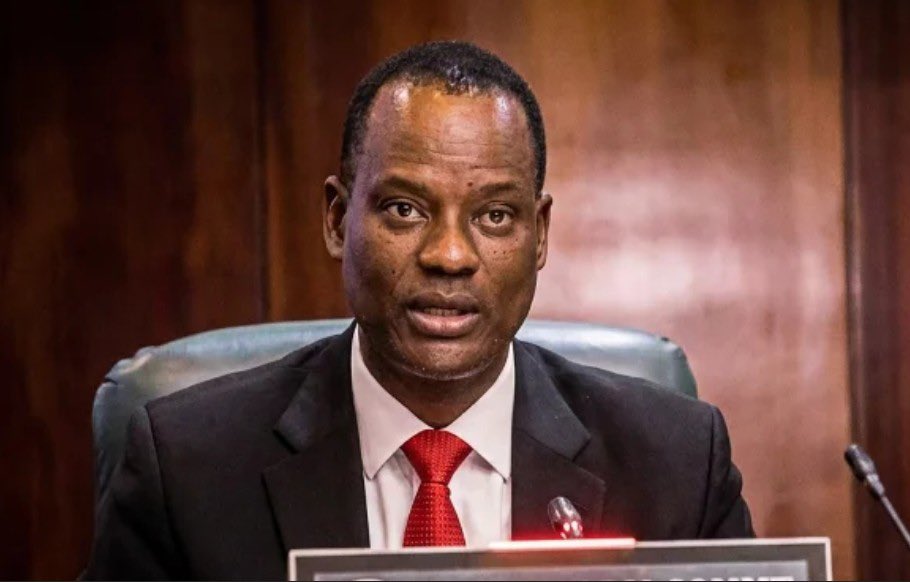
Many Nigerians have expressed concern over reports that the Federal Government spent more on debt interest than it earned in revenue during the first half of 2026. But the Federal Ministry of Finance says the figures have been misunderstood and do not reflect the country’s true financial position.
The ministry, in a statement issued on Sunday in Abuja, rejected claims that interest payments consumed 124 per cent of government revenue, insisting that the conclusion was based on incomplete data and lacked proper context.
According to the ministry, the figures being circulated were drawn from the World Bank’s October 2026 Nigeria Development Update but compared six-month revenue with a broader debt obligation that included loans serviced on behalf of state governments.
It explained that when the complete financial picture is considered, including revenues generated later in the year and remittances from government agencies, Nigeria’s debt interest-to-revenue ratio is expected to remain below 60 per cent for the full year.
The ministry said this was similar to what happened in 2025, when the ratio appeared to be 156 per cent midway through the year but later fell below 60 per cent after total annual revenue was recorded.
It also pointed to signs that government reforms are beginning to improve public finances. According to the ministry, federal revenue rose by 72 per cent, from ₦3.6 trillion in the first half of 2025 to ₦6.2 trillion during the same period in 2026, while interest payments increased by 38 per cent, from ₦5.6 trillion to ₦7.7 trillion.
The ministry said the gap between revenue and interest payments had narrowed from ₦2 trillion to ₦1.5 trillion, describing it as evidence that ongoing fiscal reforms are gradually strengthening Nigeria’s financial position.
It further noted that the World Bank itself projects Nigeria’s total debt service, including both interest and principal repayments, at 46 per cent of revenue for the full year 2026, a figure it said presents a more accurate assessment of debt sustainability.
The ministry also stressed that all government borrowing is backed by law, approved by the National Assembly under the 2026 Appropriation Act, and carried out in line with existing fiscal regulations. It added that the Debt Management Office continues to publish details of government borrowing to ensure transparency.
The clarification comes after widespread public debate over the World Bank report, with many Nigerians worried that rising debt servicing could limit funds available for infrastructure, healthcare, education and other essential public services. While acknowledging those concerns, the Finance Ministry insisted that the country’s fiscal reforms are beginning to deliver results and urged analysts to interpret financial data carefully before drawing conclusions.