


Nigeria has begun moves to reposition agriculture as a major driver of economic growth, food security and job creation, with the Federal Government seeking to adopt lessons from Ethiopia’s agricultural transformation.
Vice President Kashim Shettima said Nigeria was determined to close critical gaps in farming, infrastructure and supply chains to unlock the huge potential of the country’s agrifood sector.
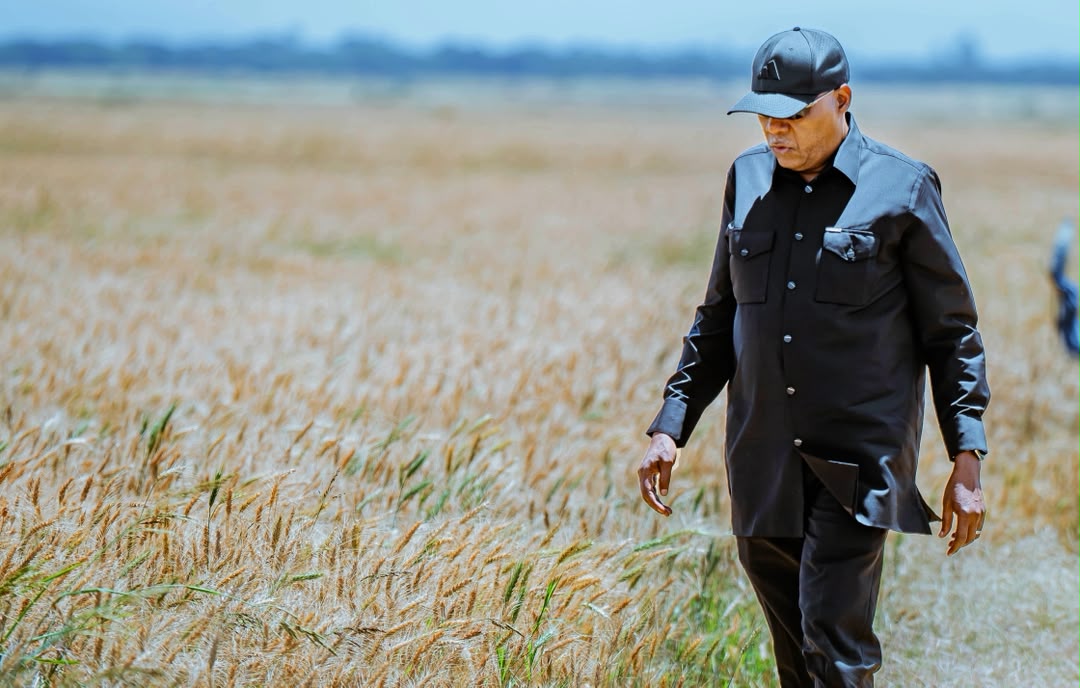
Shettima spoke on Thursday during the Ethiopia–Nigeria Leadership Exchange programme after leading a Nigerian delegation on a tour of farms and agricultural facilities in Oromia, Ethiopia.
The Vice President described Ethiopia’s Oromia agricultural model as a strong example of how African countries can achieve food independence through mechanisation, improved seeds, modern farming techniques and climate-smart agriculture.
He said Ethiopia’s journey from a major wheat-importing nation to a country producing enough for domestic needs and exports showed what was possible when governments prioritise agricultural development.
“Food dependency compromises our sovereignty. Without independence in food production, a nation remains incomplete in its sovereignty,” Shettima stated.
He said Nigeria and Ethiopia, with their large populations and economic strength, have the capacity to drive Africa’s food security agenda and reduce dependence on external food sources.
“We intend to embrace improved seeds, mechanization, and climate-smart agriculture,” the Vice President said, stressing that Nigeria would leverage Ethiopia’s experience in expanding large-scale agricultural production.
Shettima also announced plans for Nigeria to launch a major tree-planting campaign during the next rainy season, targeting the planting of 20 billion trees as part of efforts to restore the environment and support livelihoods.
“We will embark on a massive tree-planting campaign in the next rainy season. It requires a lot of planning, energy and drive, which Ethiopia was able to galvanize its population into doing. We intend to plant 20 billion trees,” he said.
The Vice President praised Ethiopia’s agricultural progress, noting that the country had achieved major improvements in wheat and rice production while developing farming systems capable of supporting exports to neighbouring countries.
President of Oromia Regional State, Shimelis Abdisa, said Ethiopia had expanded agricultural production across more than 200 crop varieties, including bananas, avocados and coffee, while wheat production alone contributes billions of dollars annually to the economy.
The visit provided Nigeria with insights into Ethiopia’s farming strategies, including mechanised agriculture, large-scale production and environmental programmes, as both countries seek stronger cooperation to secure Africa’s food future.